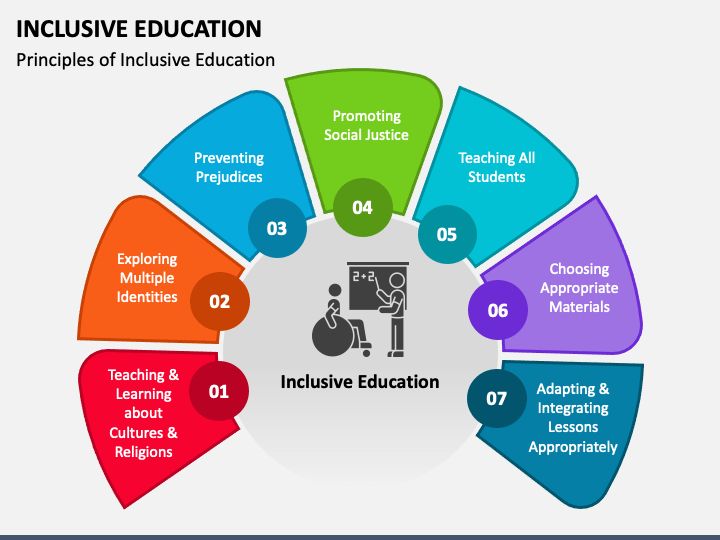
Technology plays an important role in supporting inclusive education. Digital tools help accommodate diverse learning needs and remove barriers to access.
Assistive technologies such as screen readers, captions, and adaptive interfaces support students with different abilities. These tools create more equitable learning environments.
Online platforms also increase accessibility by allowing flexible schedules and remote participation. Learners can engage with content in ways that suit their needs.
Educators use technology to personalize instruction and monitor progress. Data-driven insights help address gaps and support inclusion.
Through thoughtful implementation, technology enhances inclusivity and educational opportunity.